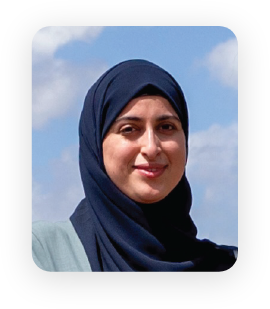
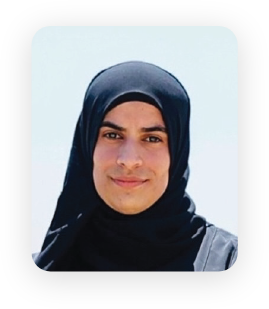
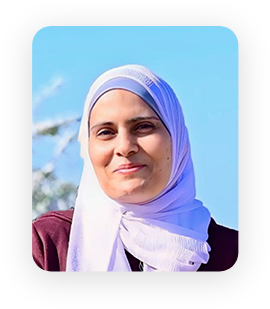
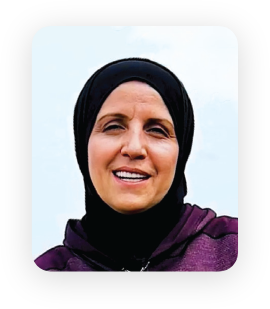
In the West Bank, women carry most of the work of farming — but hold barely 15% of the land. So we changed the math.
Half of all Freedom Farms are planted for women.
Here are some of their stories . . .
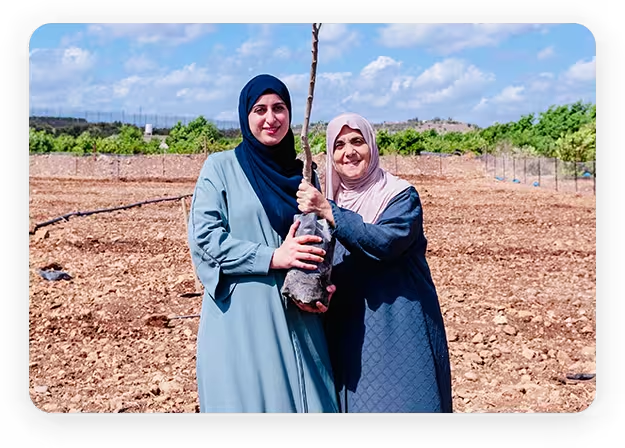
Zainab Ahmad
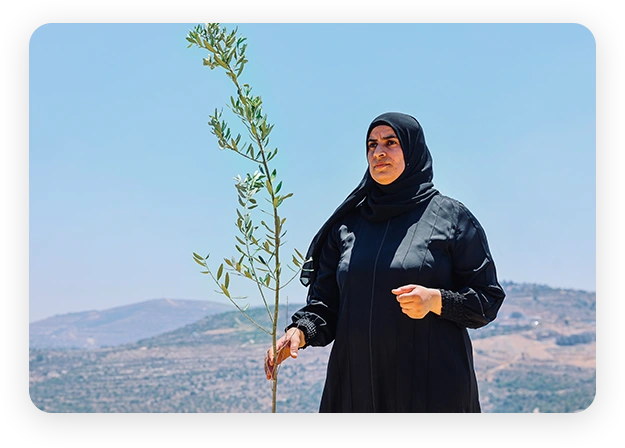
Ikhlas Saleh
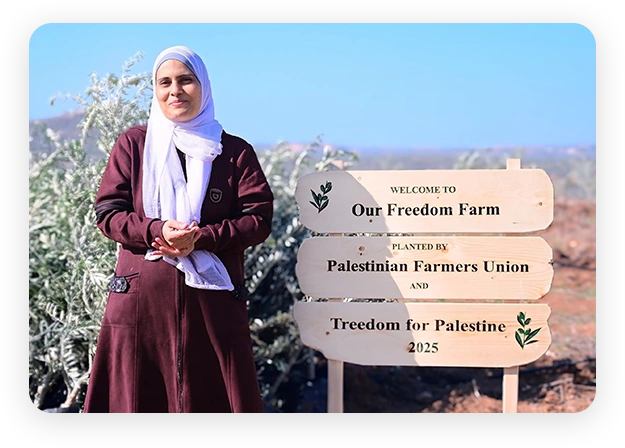
Jehan Obeid
Sanaa Saleem
ZAINAВ
From Nurse to Farmer
After years as a nurse, Zainab returned home to care for her grandfather — and to put down roots for her growing family. As a new mother, she’s tending multiple generations at once, including the land itself.
Her Freedom Farm is now interplanted with rows of cabbage for quick income.
The farm helps her stay rooted—caring for family, land, and livelihood in the same place.
IKHLAS
A Safe Haven
When settlers killed her husband Bilal, Ikhlas became the sole provider for four children.
Her new Freedom Farm is planted far from settlements and enclosed by steel fencing — ensuring her family’s safety.
Here, she honors Bilal’s memory, rebuilds her income, and cultivates a more secure life.
SANAA
Little by Little
At 50, Sanaa runs a Women’s Food Cooperative and tends her Freedom Farm, which she calls “Yobek–Yobek” . . . “little by little.”
While her olive trees mature, she plants corn, spinach, and zucchini for quick income — and refuses the idea that farming is a man’s world.
“Gender isn’t a barrier in farming,” she says. “Trees and crops don’t play favorites.”
JEHAN
The Taste of Palestine
A lifelong farmer and Arabic teacher, Jehan grows seasonal thyme and wild artichoke, crops she calls “the taste of Palestine.”
Now her land is a sustainable Freedom Farm with olive trees, figs, and grapes — supporting her children and her future.