

Trees don’t plant themselves. People do.

Cyrus Copeland planted his first tree in Valley Forge—a red oak to honor his father. Years later while traveling in the West Bank, he was struck by the depth of Palestinians' relationship to their olive trees—and by a larger question: could trees help anchor livelihoods, gender equity, and communities in high-conflict regions? Treedom for Palestine grew from that seed. Today, over 75 climate-smart “Freedom Farms” strengthen food security, protect land, and support long-term livelihoods across the West Bank.
Cyrus’s commitment to civic engagement is rooted in his Iranian-American heritage, which gave him a respect for culture, justice, and global interconnection. He began his career on Madison Avenue, developing strategy for clients such as Kodak, Chrysler, and Chase, before turning toward writing and social impact work. His most recent book, Off the Radar won the Chautauqua Prize, and his work has been profiled in The New York Times, The Los Angeles Times, Slate, Earth Island Journal, and NPR.
Today, Cyrus speaks internationally on peace-building and planting in fragile regions. He has presented Treedom's work at forums around the world, most recently at the Hamburg Sustainability Conference.
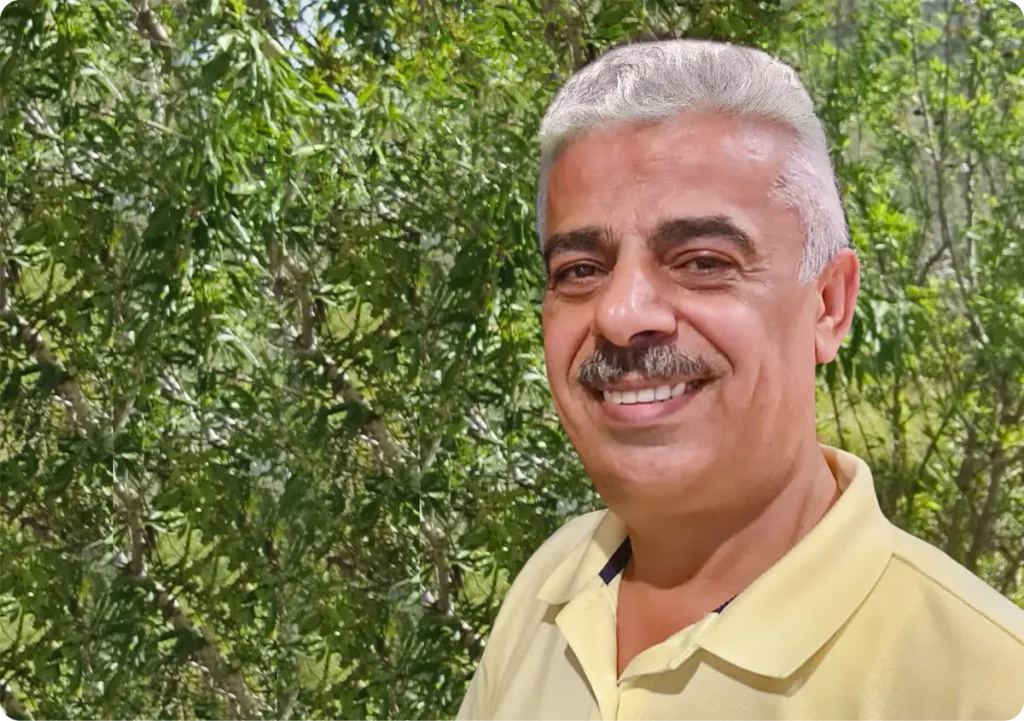
As Executive Director of the Palestinian Farmers Union, Abbas Milhem is a leading advocate for Palestinian farmers and rural communities. His work centers on protecting farmers’ rights, strengthening food security, and advancing sustainable agriculture across the West Bank. Under his leadership, the PFU has become a critical force in supporting small-scale farmers facing land loss, restricted access, and mounting environmental pressures.
Abbas began his career leading gender equality and human rights training with the Palestinian Center for Peace and Democracy, grounding his work in principles of inclusion, justice, and nonviolent civic engagement. He has since collaborated with numerous international and regional organizations to design and implement impactful civil society and development programs, including initiatives with the Sudan Civil Society and Youth Participation Program, the Arab-American Foundation, the Health, Development, Information and Policy Institute, and the Palestinian Child Cultural Center.
Widely respected for his deep knowledge of Palestinian agriculture and rural development, Abbas is a frequent speaker at agricultural and development conferences, where he shares insights on sustainability, land stewardship, and farmer resilience under occupation. He holds a bachelor’s degree in English Literature from Bethlehem University and advanced training in Conflict Resolution and NGO Management from the Palestinian Center for Peace and Democracy—an academic foundation that equips him to navigate complex political landscapes while delivering practical, farmer-centered solutions.
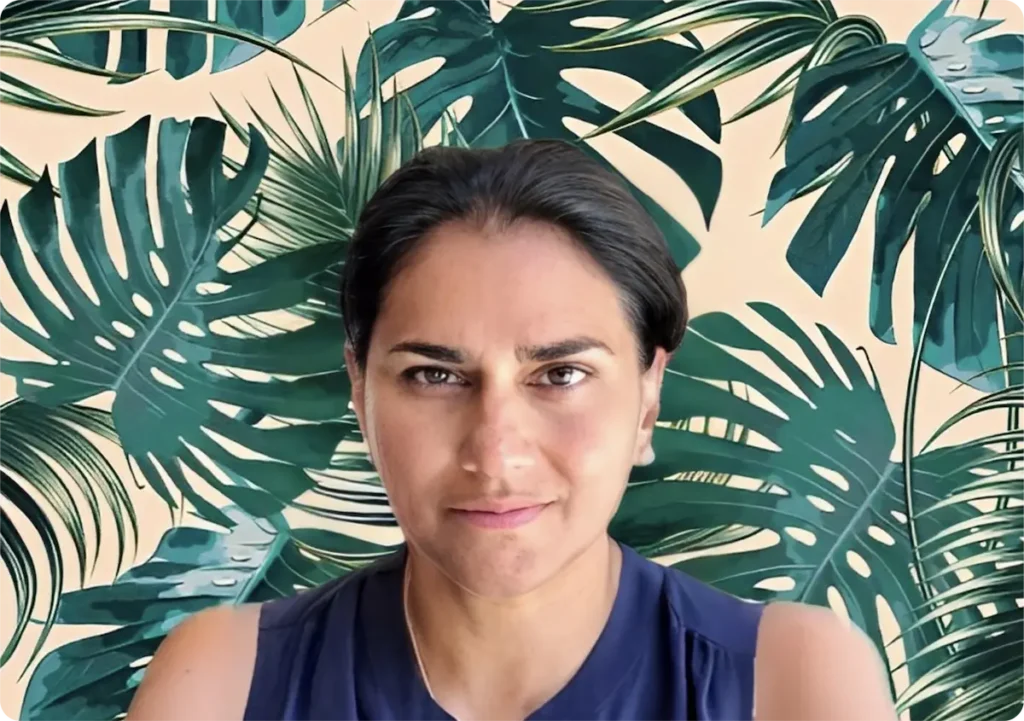
Tab Ahmad brings nearly two decades of leadership in advancing equity, inclusion, and economic opportunity to Treedom. She is the founder and CEO of Employ Ability, a social enterprise dedicated to supporting disabled and neurodivergent students and graduates into meaningful employment. Under her leadership, Employ Ability has helped more than 15,000 individuals access professional careers and has partnered with leading global institutions including Google, Meta, Amazon, Goldman Sachs, JP Morgan, and Bloomberg, delivering measurable results for both talent and employers.
Tab’s work has been widely recognized. She is a recipient of the Asian Women of Achievement Award, the Genius of the Year Award for her innovative approach to supporting neurodiverse talent, and numerous diversity and inclusion honors. In 2024, she was awarded an OBE by King Charles for her services to neurodivergent and disabled young people.
Before founding Employ Ability, Tab established a search firm specializing in financial services and investment banking. She is a trained chartered accountant and holds a degree in Economics and Accounting, bringing strong financial acumen and strategic insight to her board work.
At Treedom, Tab’s commitment to inclusion, dignity, and opportunity informs her belief that prosperity must be shared and systems must work for those most often excluded. She contributes a global perspective and a results-driven approach to advancing Treedom’s mission of sustainable livelihoods and long-term resilience.
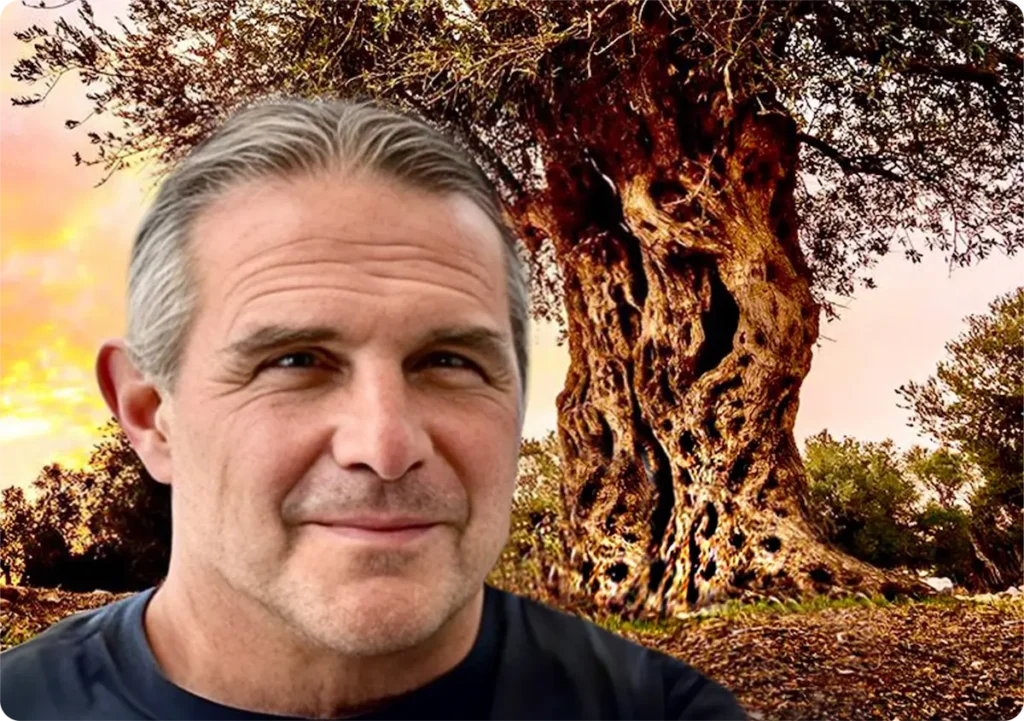
Mark Jacobs brings more than two decades of legal experience to Treedom, guiding its legal affairs and contributing to long-term strategic vision. A founding partner of Harvey Siskind Jacobs LLP, a San Francisco–based intellectual property firm, Mark is a veteran litigator who has represented major corporations including Exxon Mobil, Otis Elevator, and General Electric, and served as general counsel for Sierra Molecular. His practice focused on complex litigation—unfair competition, trade secrets, contract disputes, and product liability—where he developed a reputation for navigating intricate factual and technical issues with clarity and rigor.
Alongside his legal career, Mark has been deeply engaged in nonprofit and humanitarian work. He has served and volunteered with organizations including ServiceSpace, Dil Se Dil, Friends Without Borders, the KALW Foundation, Pacific Crest Outward Bound School, and Shuddham, supporting initiatives spanning peace-building, environmental protection, education, and waste management. His international humanitarian work includes refining UNHCR’s non-discrimination policies—rewriting guidance to explicitly address sexual orientation and gender identity—and working in Sudanese refugee camps and schools with the World Food Programme.
A graduate of Cornell University (BA) and the University of California (JD), Mark has lectured on volunteerism and innovative nonprofit models at UCLA’s Anderson School of Management and UC Berkeley’s Haas School of Business. His pro bono work, focused on education and child welfare, spans dozens of projects in the United States and India.
At Treedom, Mark brings a rare combination of legal rigor, humanitarian values, and a deep commitment to collective action—helping advance a mission grounded in justice, sustainability, and long-term impact.
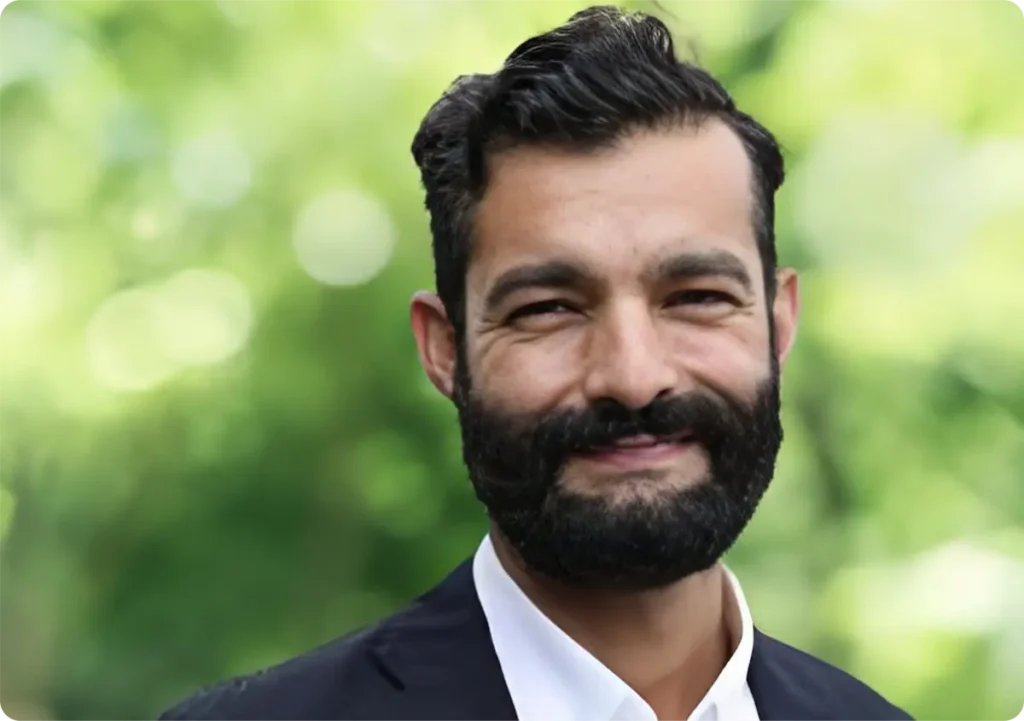
Alvaro Salas is a seasoned nonprofit leader with more than 25 years of experience in organizational management, finance, and program delivery. He joins Treedom bringing deep operational expertise and a strong commitment to accountability and impact. In his current role as Sector Director at Volunteers of America, Alvaro leads a staff of more than 150 and oversees a multi-million-dollar budget, ensuring that critical childcare, educational, and vocational services reach underserved communities across New York City.
With extensive experience in financial management, budgeting, fiscal reporting, and resource allocation, Alvaro plays a key role in strengthening Treedom’s financial stewardship and maximizing the impact of every contribution. He is a strong advocate for transparency and accountability as drivers of effective social change. His background in contract management, quality assurance, and organizational leadership further supports Treedom’s ability to scale responsibly and meet its long-term goals.
Alvaro’s commitment to sustainability and environmental stewardship took root in Costa Rica, where he developed a lasting connection to trees and the natural world. By combining rigorous financial oversight with a deep belief in equity, sustainability, and environmental responsibility, Alvaro helps advance Treedom’s mission—supporting a more resilient, just, and sustainable future in the West Bank and beyond.
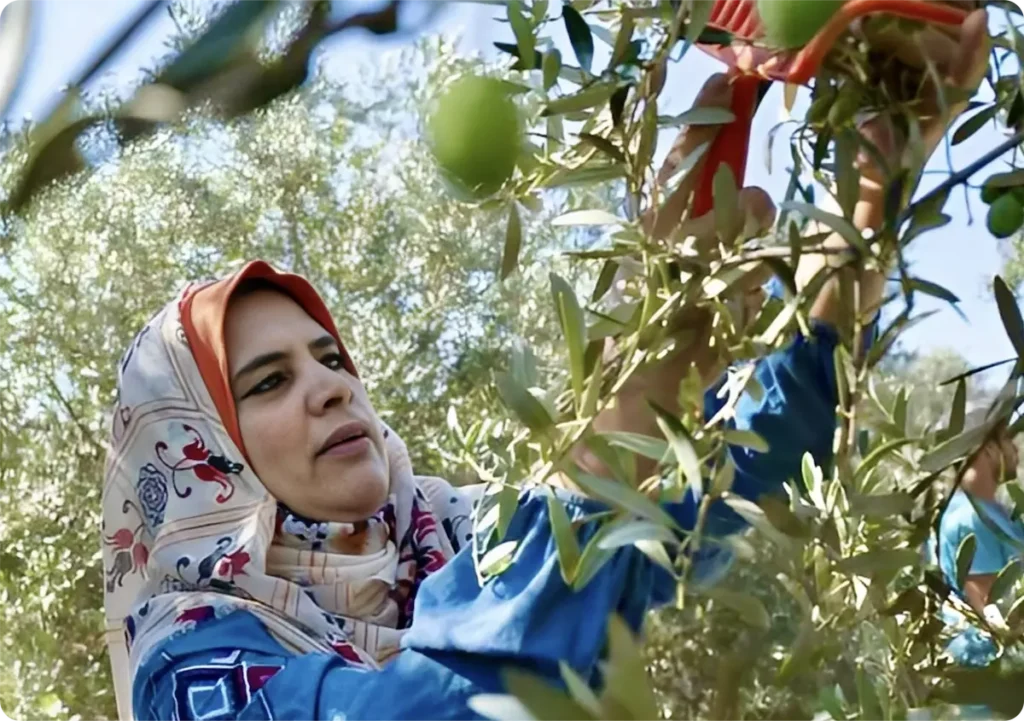
Empowering farmers since 1993, the Palestinian Farmers’ Union is a collective of more than 20,000 small-scale farmers across the West Bank, dedicated to advancing sustainability, food security, and long-term rural prosperity. The PFU advocates for farmers’ rights regardless of religion, race, or gender, and is firmly committed to nonviolent action, environmental stewardship, and the responsible use of land and water resources.
At the heart of the union’s work is a commitment to strengthening farmers’ economic resilience—particularly through climate-smart agriculture, improved irrigation, and land protection. The PFU places special emphasis on supporting farms owned or operated by women, recognizing their critical role in food systems, household stability, and community leadership.
They have collaborated with international organizations like Oxfam and the UN to implement large-scale planting, irrigation, and land-restoration initiatives across Palestine. Through these collaborations, the PFU enhances farmer livelihoods, safeguards agricultural land, and promotes sustainable practices that benefit present and future generations.